Last Updated on August 29, 2026 by Mihir Mohan Madhu
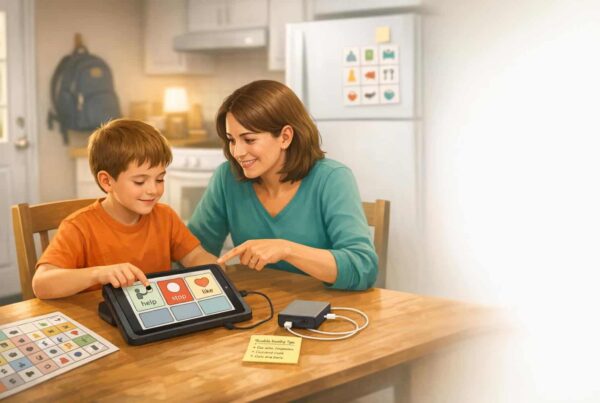
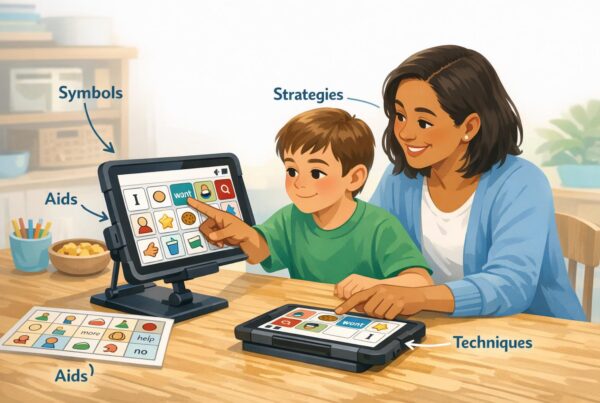
Yes, an AAC device can be covered by insurance, but coverage depends on the type of device, the diagnosis, and how the request is written and submitted. Many private insurance plans and Medicaid programs will cover a dedicated speech-generating device when it is documented as medically necessary, supported by an AAC evaluation, and submitted with the supporting documentation. If you are hearing “no” at first, that is common, and it is also appealable in many cases.
Is an AAC device covered by insurance in the United States.
In the U.S., insurance coverage for AAC usually falls into one of three buckets:
1. Dedicated speech-generating devices. These are often more likely to be covered because they are considered medical equipment when prescribed and justified.
2. Tablets with AAC apps. These are sometimes covered, but more often denied, especially if the plan considers the tablet “consumer electronics.” Some families pursue alternative funding routes for tablets and apps.
3. Accessories and supports. Mounts, cases, switches, keyguards, and alternative access methods can be covered, but they also require a documented need.
From a practical standpoint, the strongest requests for insurance funding documents the medical necessity of AAC. The necessary paperwork clearly state that the requested AAC device is a language access tool, and it is essential for safety, participation, and daily communication. That framing aligns with the requirements many payors need to approve funding and coverage.
Why insurers deny AAC devices, even when a child truly needs one.
Denials are common, and they are not always a reflection of the child’s needs. They are often a paperwork and policy issue.
Common denial reasons include:
- The funding request is missing an AAC evaluation or a clear plan of care.
- The letter of medical necessity is too vague, or it focuses only on “requesting” instead of broader communication needs.
- The payor says a tablet is not covered because it is “not dedicated.”
- The plan requires prior authorization, a specific supplier, or step therapy style requirements.
- The documentation does not show why lower tech options are insufficient.
One simple but powerful clinical shift is the importance of documenting AAC as a full communication system, not just a way to request preferred activities/items. Modern AAC intervention emphasizes core words and real conversation, including commenting, refusing, asking questions, and telling stories. When an evaluation demonstrates these functional needs, it can strengthen the case that the device is medically necessary.
What makes an AAC request “medically necessary” to an insurance company.
Insurance companies tend to approve AAC devices when the documentation clearly answers three questions.
- What is the communication diagnosis and functional impact. Explain how the child’s current speech does not meet daily communication needs across settings.
- Why this specific AAC system is required. Describe access needs, vocabulary needs, portability, durability, and why alternatives are insufficient.
- What outcomes are expected with the device. Include measurable goals, caregiver training, and carryover across home and school.
For many AAC users, communication access impacts literacy too. AAC can support participation in reading activities by enabling children to answer questions, retell stories, and build sentences, which helps teams demonstrate broader educational and functional impact . That matters because payors often want to see that the device supports essential life functions, not just preference-based goals.
Quick clarity for families and clinicians.
The phrase that often unlocks coverage is “speech-generating device” paired with “medical necessity.” The paperwork that often unlocks approval is an AAC evaluation plus a strong letter of medical necessity that shows communication needs across environments, including safety and participation.
Private insurance vs. Medicaid coverage for AAC devices.
How private insurance typically approaches AAC coverage.
Private plans vary widely. Some cover dedicated speech-generating devices well. Others have strict rules about brands, vendors, or prior authorization. The biggest pattern families see is that a dedicated device request tends to be reviewed differently than a tablet request.
If a plan denies a tablet as “not dedicated,” families often pivot to either a dedicated device, or they keep the device request medical and pursue the tablet through other funding routes. A speech-language pathologist can help families understand how to write the request in a way that matches the payor’s definitions.
How Medicaid often approaches AAC coverage.
Medicaid programs also vary by state, but many states cover speech-generating devices when documentation is strong and the device is ordered through approved channels. Medicaid may require specific forms, specific vendors, and prior authorization steps. If you are an SLP, partnering with an assistive technology specialist or AAC-focused vendor can reduce delays.
What documentation is usually needed for insurance approval.
This list is not universal, but it reflects what most families end up needing in some form.
- A comprehensive AAC evaluation. This should include trials, data, and a rationale for the recommended system.
- A letter of medical necessity. This is where the team connects the dots between diagnosis, function, and the recommended device.
- A physician prescription. Some payors require a script for the speech-generating device.
- Evidence of “least restrictive” or “least costly alternative” considerations. This is where you document why low-tech alone is not sufficient, or why a simpler system cannot meet the need.
- A treatment plan and training plan. Show how caregivers and school staff will be trained to model and support use.
One detail that matters clinically and practically is describing how the team will prevent device abandonment. Insurers do not want to fund something that sits on a shelf. Plans that include modeling, personalization, and daily routine integration can support long-term success .
Step-by-step process to pursue insurance coverage for an AAC device.
If you are a parent, you can use this as a roadmap. If you are an SLP, this can become a simple workflow checklist.
- Start with a referral for an AAC evaluation. Ask your SLP, developmental pediatrician, or neurologist where AAC evaluations are completed locally.
- Complete device trials when possible. Trial data strengthens the recommendation and shows why a specific system is needed.
- Choose the funding path. Decide whether you are requesting a dedicated device, an iPad-style tablet, or a hybrid plan using alternative funding.
- Submit prior authorization if required. Many plans require approval before ordering.
- Respond quickly to requests for more information. Delays often happen when the payor asks for one missing form.
- If denied, appeal. Many denials are overturned when the request is clarified and strengthened.
If insurance denies the AAC device, what can you do next.
A denial is not the end. It is often the beginning of a clearer paper trail.
Appeal strategies that often work.
- Ask for the denial reason in writing. You need the exact language to respond effectively.
- Update the letter of medical necessity. Add details about safety, behavior, participation, and communication breakdowns.
- Clarify why lower tech is insufficient. Document what was tried and what barriers remained.
- Include training and carryover supports. A realistic plan for modeling and team training can reduce payor concerns about follow-through .
It can help to emphasize that communication is not limited to requesting. AAC supports refusals, repairs, social language, and self-advocacy. Those are essential life skills, especially for autistic children navigating school and community settings.
What about privacy and data concerns for AAC apps and insurance-funded tech.
Parents sometimes ask whether an AAC app is protected like medical records. The answer depends on who provides the app and how it is used.
An AAC app purchased directly by a family is generally not automatically subject to HIPAA, but it can become HIPAA-relevant if it is provided by or on behalf of a healthcare provider or health plan . If the app is designed for children under 13, COPPA rules around children’s data may apply, including the handling of audio files that contain a child’s voice .
If you are an SLP supporting app-based AAC, it is reasonable to encourage families to review the app’s privacy policy and to ask schools and clinics how they manage access and consent.
Practical tips for SLPs writing AAC documentation that insurers understand.
A strong report reads like a bridge between clinical reality and payor requirements. It stays human, but it is specific.
Helpful phrases and concepts to include.
- Functional communication needs across settings. Home, school, community, and medical settings.
- Safety communication. Ability to indicate pain, illness, danger, and urgent needs.
- Communication breakdown repair. Ability to clarify and persist when misunderstood.
- Core vocabulary for generative language. This supports more than requesting .
- Access method rationale. Direct touch, switch, eye gaze, keyguard, mounting, or a combination.
You can also connect AAC to participation and literacy goals when appropriate. AAC can be used to answer “WH” questions, sequence stories, and generate written output, which supports access to education and daily communication routines .
FAQs about AAC device insurance coverage.
Is an AAC device considered durable medical equipment.
Sometimes. Many payers treat dedicated speech-generating devices similarly to durable medical equipment when there is a prescription and medical necessity documentation. Tablets may be treated differently because they are not dedicated medical devices.
Will insurance cover an iPad for AAC.
Sometimes, but it is more commonly denied than a dedicated device. If your plan denies tablets, you can ask what qualifies as a covered speech-generating device and consider alternative funding for the tablet and app.
Do I need an AAC evaluation to get insurance to pay.
In many cases, yes. An AAC evaluation provides the clinical justification, trials, and data that payors rely on to determine medical necessity. It also helps ensure the device matches the child’s access needs and communication goals.
Can schools provide an AAC device instead of insurance.
Sometimes. Schools can provide AAC to support educational access, but school-provided devices may be limited to school use or tied to enrollment. Many families still pursue insurance so the child has consistent access across home and community settings.
If we get a device funded, how do we prevent it from being abandoned.
Plan for modeling, personalization, and daily routines from day one. Device success improves when adults model language naturally, keep vocabulary relevant, and make the device available across environments .
Sources.
Here are a few reputable resources you can share with families, or reference when building a coverage and documentation plan.
- American Speech-Language-Hearing Association (ASHA) practice resources. [https://www.asha.org](https://www.asha.org).
- Federal Trade Commission information on children’s privacy and COPPA. [https://www.ftc.gov/business-guidance/privacy-security/childrens-privacy](https://www.ftc.gov/business-guidance/privacy-security/childrens-privacy).
- Texas Attorney General overview of COPPA for consumers. [https://www.texasattorneygeneral.gov/consumer-protection/file-consumer-complaint/consumer-privacy-rights/childrens-online-privacy-protection-act](https://www.texasattorneygeneral.gov/consumer-protection/file-consumer-complaint/consumer-privacy-rights/childrens-online-privacy-protection-act).